Gaming can be an enjoyable way to relax, compete, explore virtual worlds, and connect with other people. However, gaming can become a concern when it starts taking priority over sleep, work, education, relationships, or everyday responsibilities. This is the concern behind searches for game overdertoza addiction.
There is limited reliable information establishing “Game Overdertoza” as a clinically recognized game or a distinct medical condition. The more useful way to understand the topic is through the broader concept of problematic gaming or gaming disorder. The World Health Organization recognizes gaming disorder as a pattern involving impaired control over gaming, increasing priority given to gaming over other activities, and continued gaming despite negative consequences.
The important question, therefore, is not simply how many hours someone plays. It is whether gaming remains under the person’s control and whether it is causing meaningful problems in everyday life.
What Does Game Overdertoza Addiction Mean?
The phrase game overdertoza addiction is commonly used online to describe a situation where playing a game becomes difficult to control. It should not automatically be treated as a formal diagnosis.
Someone can play games frequently without having a gaming disorder. For example, spending several hours gaming during a weekend or holiday does not necessarily indicate addiction if the person can stop easily and continues to manage other responsibilities.
The concern becomes greater when gaming repeatedly interferes with important areas of life.
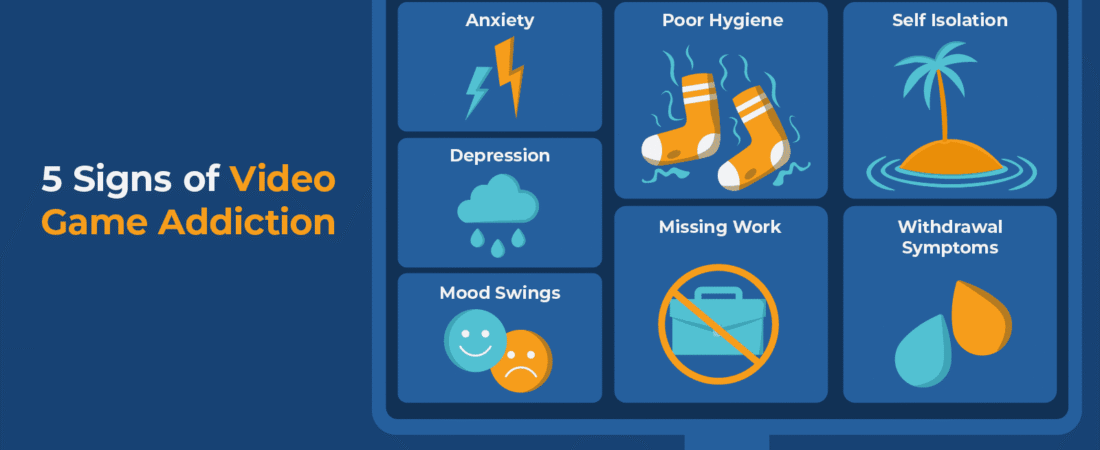
A person may notice that they:
- Struggle to reduce or stop playing.
- Put gaming ahead of school, work, family, or other activities.
- Continue playing despite obvious negative consequences.
- Lose interest in activities they previously enjoyed.
- Have difficulty maintaining a healthy sleep schedule.
- Become distressed or irritable when unable to play.
- Use gaming primarily to escape difficult emotions or situations.
These signs matter more than a simple hourly limit.
Why Can Gaming Become Difficult to Control?
Games are designed to provide goals, challenges, feedback, progression, and rewards. Those features can make games engaging and encourage players to return.
A session might begin with a simple objective: complete one mission, reach the next level, or play one match with friends. Completing that objective can create a natural desire to continue.
Social features can add another layer. Friends, teams, guilds, rankings, events, and scheduled activities may make a player feel that logging off means missing something important.
Gaming can also provide a temporary escape from boredom, stress, loneliness, or frustration. That does not mean gaming is inherently harmful. It simply means that understanding why someone plays can be useful when gaming starts becoming difficult to control.
It is also important not to assume that every engaging game causes addiction. Individual circumstances, habits, and patterns of behavior are more important than simply labeling a particular title as addictive.
Warning Signs to Take Seriously
1. Gaming Repeatedly Disrupts Responsibilities
One of the clearest warning signs is interference with everyday obligations.
For example, someone might regularly delay assignments because they keep extending a gaming session. Another person might stay awake much later than intended and struggle to function the following morning.
A single late night is not necessarily a problem. A repeated pattern is more significant.
2. You Keep Playing Despite Problems
Suppose gaming is causing arguments with family, missed deadlines, or inadequate sleep, yet the person repeatedly continues the same behavior without being able to reduce it.
That pattern deserves attention.
Gaming disorder is associated with continuing gaming despite negative consequences rather than merely playing frequently.
3. Gaming Becomes the Main Priority
Another warning sign is when gaming consistently takes precedence over other important activities.
A balanced player can enjoy games while still making time for relationships, education, employment, exercise, rest, and other interests.
When nearly everything else becomes secondary to gaming, it may be time to reassess the habit.
4. Gaming Becomes the Main Way to Handle Emotions
Gaming can be a perfectly reasonable form of entertainment and relaxation. However, if someone feels unable to cope with stress, sadness, frustration, or boredom without gaming, the habit may deserve closer examination.
The underlying emotional problem may need attention rather than simply increasing or decreasing gaming time.
How to Regain Control of Your Gaming Habits
If you recognize several of these patterns, the goal does not have to be making an extreme decision immediately. A structured approach can help you understand your behavior and create healthier boundaries.
Track Your Actual Gaming Pattern
Start by recording when you play and roughly how long each session lasts.
Also note what happened immediately before playing. Was it boredom? Stress? A message from friends? A planned gaming session that unexpectedly became much longer?
After several days, patterns may become easier to recognize.
Establish Clear Stop Points
Instead of saying, “I’ll play for a while,” create a specific stopping point.
For example:
“I’ll finish this planned session, then shut the game down and move to another activity.”
Timers can also help, particularly when sessions tend to continue longer than expected.
The goal is to create a clear boundary before you start playing rather than making the decision repeatedly while already immersed in the game.
Protect Sleep and Essential Responsibilities
Gaming should not regularly replace sleep, meals, education, work, or important commitments.
A practical rule is to complete essential responsibilities first and treat gaming as leisure afterward. If late-night sessions are causing problems, establish a gaming cutoff that leaves enough time to wind down before bed.
Reduce Triggers
Notifications, automatic launches, online invitations, and reminders can make it easier to start playing without consciously deciding to do so.
Consider disabling unnecessary notifications and keeping gaming devices away from your sleeping area if they encourage late-night sessions.
Small environmental changes can make healthy choices easier.
Replace the Habit, Not Just the Game
Simply removing gaming can leave a large amount of unstructured time.
Replace some gaming sessions with activities that provide another form of engagement: exercise, reading, learning a skill, cooking, creative work, outdoor activities, or spending time with friends and family.
The replacement does not have to be productive every minute. It simply needs to give you another meaningful option.
When Professional Support May Help
If gaming is seriously affecting education, employment, relationships, sleep, or daily functioning, professional support can be appropriate.
A healthcare or mental health professional can evaluate the broader situation rather than assuming that gaming itself is the only problem. According to Cleveland Clinic, assessment for problematic gaming may involve a mental health professional, and psychotherapy is a primary treatment approach.
This is particularly important when attempts to cut back repeatedly fail or gaming is being used to cope with significant emotional difficulties.
Seeking help is not an admission of failure. It is a practical way to understand the behavior and address whatever is maintaining it.
Gaming More Responsibly: A Simple Balance
| Healthy Gaming Pattern | Concerning Gaming Pattern |
|---|---|
| You choose when to play | You feel unable to stop |
| Gaming fits around responsibilities | Responsibilities repeatedly get pushed aside |
| You can take breaks | Breaks cause significant distress |
| You maintain other interests | Gaming replaces most other activities |
| Sleep remains protected | Gaming regularly interferes with sleep |
| Gaming is one way to relax | Gaming becomes your main coping method |
This comparison is not a diagnostic test. It is simply a useful way to think about whether gaming remains a recreational activity or is beginning to create significant problems.
FAQs
Is Game Overdertoza addiction a recognized medical diagnosis?
The phrase itself is not a standard medical diagnosis. The relevant clinical concept is gaming disorder, which involves impaired control over gaming, increasing priority given to gaming, and continued gaming despite negative consequences.
How many hours of gaming is considered an addiction?
There is no single number of hours that automatically means someone has a gaming disorder. The more important issue is whether gaming causes significant impairment or loss of control in areas such as relationships, education, employment, or daily life.
Can I enjoy gaming without becoming addicted?
Yes. Enjoying games does not automatically indicate a problem. Healthy gaming generally means being able to choose when to play, stop when necessary, and maintain other important parts of life.
What should I do if I cannot stop playing?
Start by tracking your gaming pattern, establishing specific stopping points, reducing triggers, and replacing some gaming time with other activities. If repeated attempts to change the behavior are unsuccessful or gaming is causing significant problems, consider speaking with a qualified mental health professional.
Should I quit gaming completely?
Not necessarily. Some people may benefit from a temporary break, while others may be able to establish healthier boundaries. The appropriate approach depends on the severity of the problem and how gaming affects the person’s life.
When should I seek professional help?
Consider professional support when gaming repeatedly interferes with sleep, work, education, relationships, or everyday functioning, especially when you have tried to reduce it and cannot maintain the change.
Read More: UndergrowthGameLine Online Event Guide
Conclusion
Game overdertoza addiction is best understood through the broader issue of problematic gaming rather than by focusing only on the name of a particular game. Playing frequently is not automatically an addiction, and there is no universal hourly threshold that defines a problem.
What matters is control and consequence.
If gaming remains enjoyable, flexible, and compatible with responsibilities, it can remain a healthy form of entertainment. If it repeatedly takes priority over sleep, relationships, education, work, or other important activities, it is worth taking the pattern seriously.
Start with small, practical steps: understand when and why you play, establish clear stopping points, protect essential responsibilities, reduce triggers, and build alternatives to gaming. When the problem is persistent or significantly affecting daily life, professional support can provide a more personalized path forward.